In this article
Making a game is already a massive undertaking. Between development, design, testing, and everything in between, there's a lot that goes into bringing a game to life.
Over the years, several game developers have taken things a step further, becoming publishers themselves and helping other studios bring their games to life. Some started publishing to support smaller indie developers, while others saw an opportunity to expand beyond their own games.
We're taking a look at five game development studios that became publishers, the stories behind their decisions, and how they've made their mark on the gaming industry.
Landfall → Evil Landfall
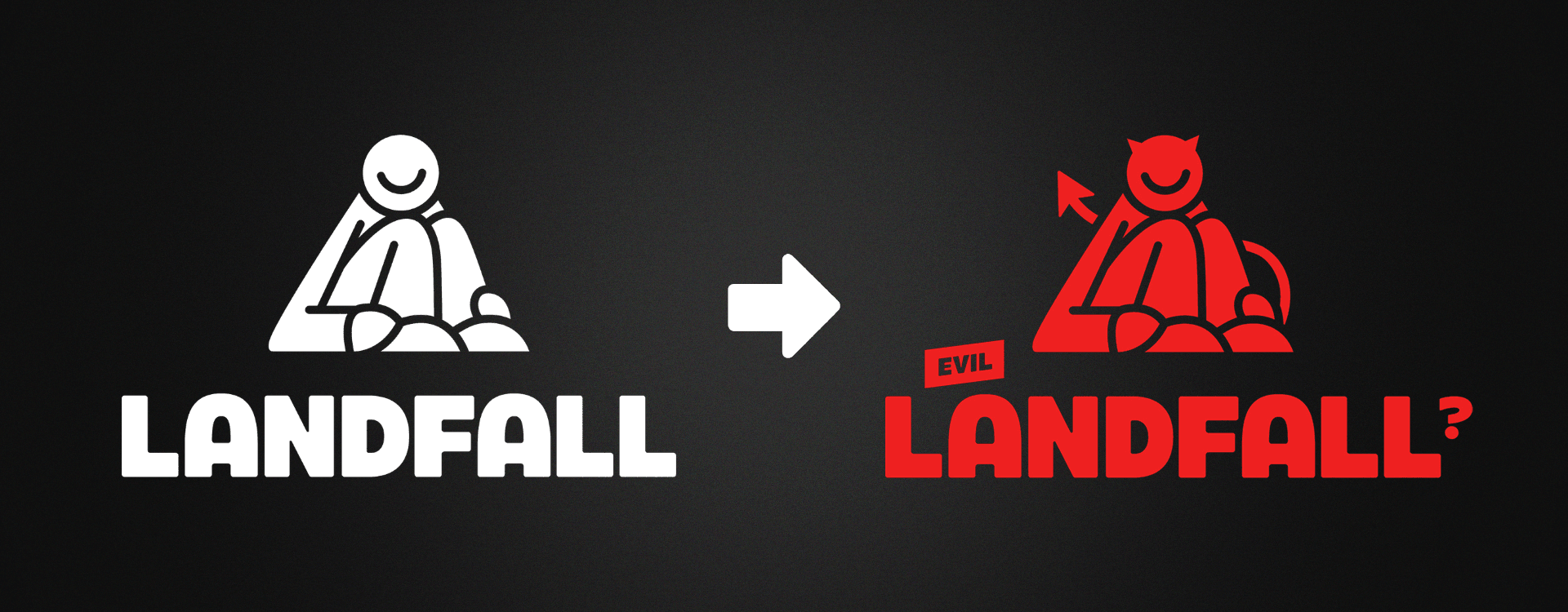
Landfall is the Swedish studio behind Clustertruck, Totally Accurate Battle Simulator, Haste and Peak. Their games are built around chaos, physics, and mostly playing with your friends.
Their publishing arm, Evil Landfall, had actually been running quietly for about three years before the studio made it public, handling Landfall's own releases before it opened up to outside developers.
Evil Landfall's pitch is refreshingly specific: silly, physics-driven, multiplayer games with short dev cycles, basically the DNA of Landfall's own catalog. Evil Landfall has backed titles like the co-op fishing sim How To Fish from Dazed Games, and taken an equity stake in Semiwork, the studio behind Voidigo and REPO.
They'll invest up to $1 million in a few games a year, stay hands-off, and don't take IP rights or lock developers into heavy recoup deals. They don't run the developer's launch like most publishers do, but instead, they fund the studio and let them create the game however they want.
Innersloth → Outersloth
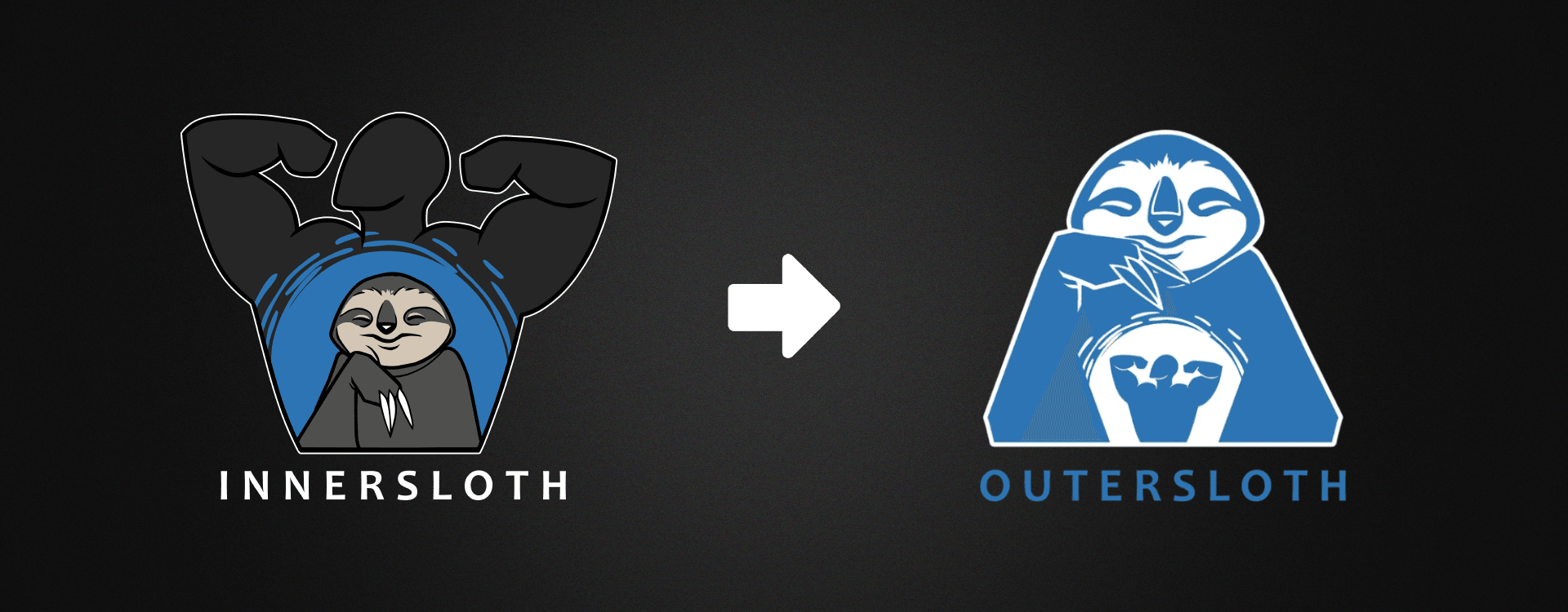
No list like this is complete without the Among Us studio. Innersloth turned a niche party game into one of the biggest games gaming has had in years, and instead of just sitting on that success, launched Outersloth as a fund for other developers.
It works more like straightforward capital than a full-service publisher, meaning no hands-on production or marketing machine, just money behind projects Innersloth believes in.
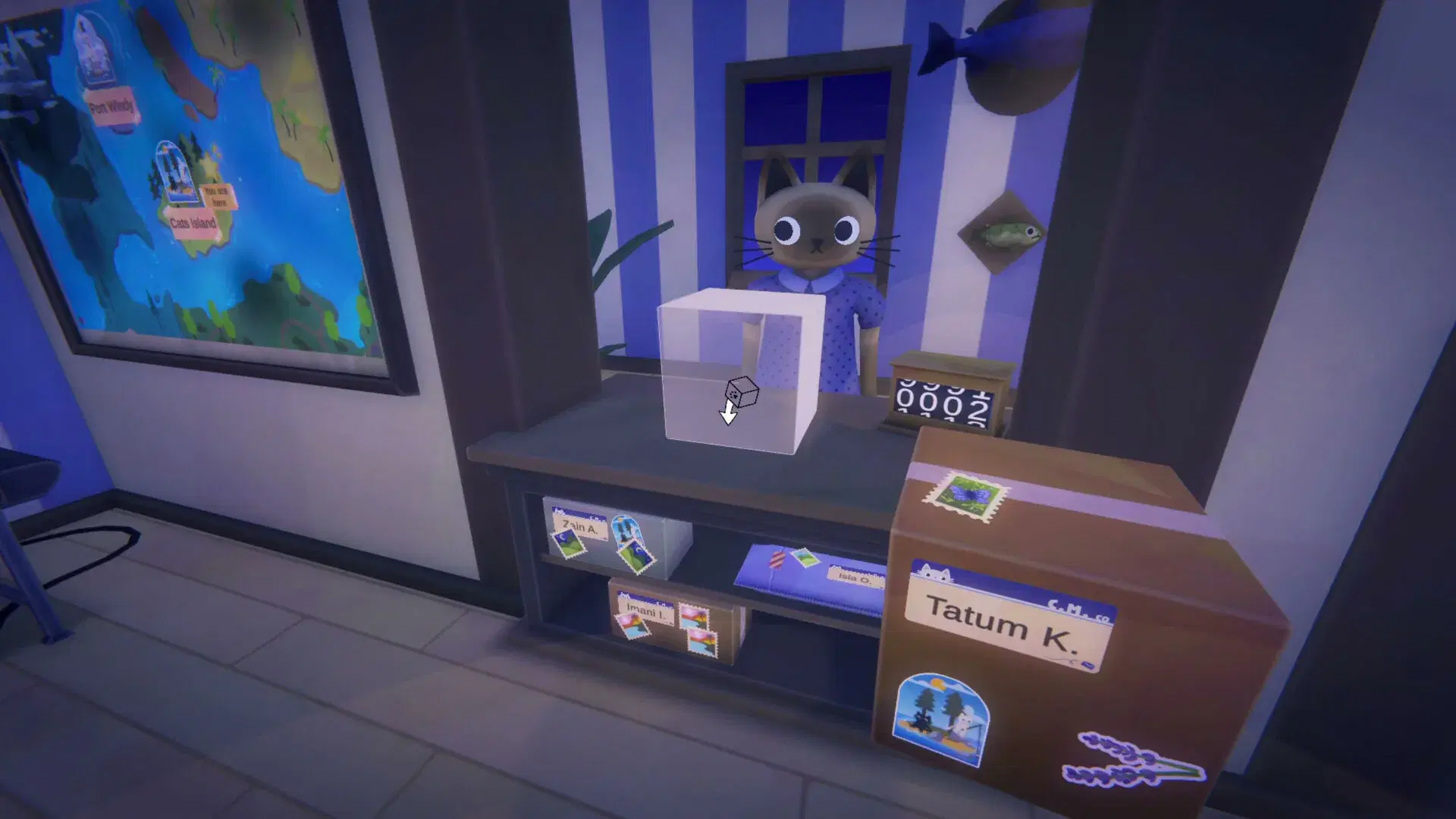
The list of games it's backed keeps growing: Mars First Logistics (its very first funded title), Battle Suit Aces, Project Dosa, Mossfield Archives, ONE BTN BOSSES, Flock Around, and Dosa Divas, among many others. As of early 2026, Outersloth had funded 24 games and invested close to $20 million total, with individual deals ranging from $50,000 to $2 million.
They've also been pretty vocal about turning down every generative AI pitch that's come their way, a stance that's turned into something of a dividing line among this new wave of dev-turned-publisher labels.
thatgamecompany → thatgamepublisher
thatgamecompany built its name on Flower, Journey, and Sky: Children of the Light, games that cared less about winning and more about making you feel something special.
In August 2026 the studio opened thatgamepublisher (TGP), a label for what it calls "emotionally ambitious" games. CEO and creative director, Jenova Chen, said the label exists because interactive experiences have already proven they can move people as deeply as film or music, and thatgamecompany wants to help other developers chasing that same thing.
What sets thatgamepublisher apart is how full-service it is. Developers get funding, production planning, launch strategy, marketing, community support, and long-term IP development, all shaped by two decades of thatgamecompany figuring out how emotionally driven games actually get made.
The label is open to teams of any size, solo devs up through AA studios, and has already signed a couple of projects, though it hasn't named them publicly yet.
Envar → Envar Publishing
Envar started out as an outsourcing and co-development studio, building art and tech pipelines for teams working with the likes of Riot Games and Blizzard. That backend experience fed straight into Envar Games, its internal dev studio behind the upcoming title Witchspire, and now into Envar's own publishing arm too.
The label is still new, and no external signed titles have been announced publicly yet. After years of doing outsourced art and dev work for bigger studios, backing original teams with real budgets is a pretty natural next step. They've already seen up close what separates a project that connects from one that doesn't.
Coffee Stain → Coffee Stain Publishing
Coffee Stain is the Swedish studio behind Goat Simulator, the janky physics sandbox that went viral and ended up selling millions of copies.
In 2017, they opened Coffee Stain Publishing, built specifically to offer the kind of deal they'd have wanted as indie developers themselves.
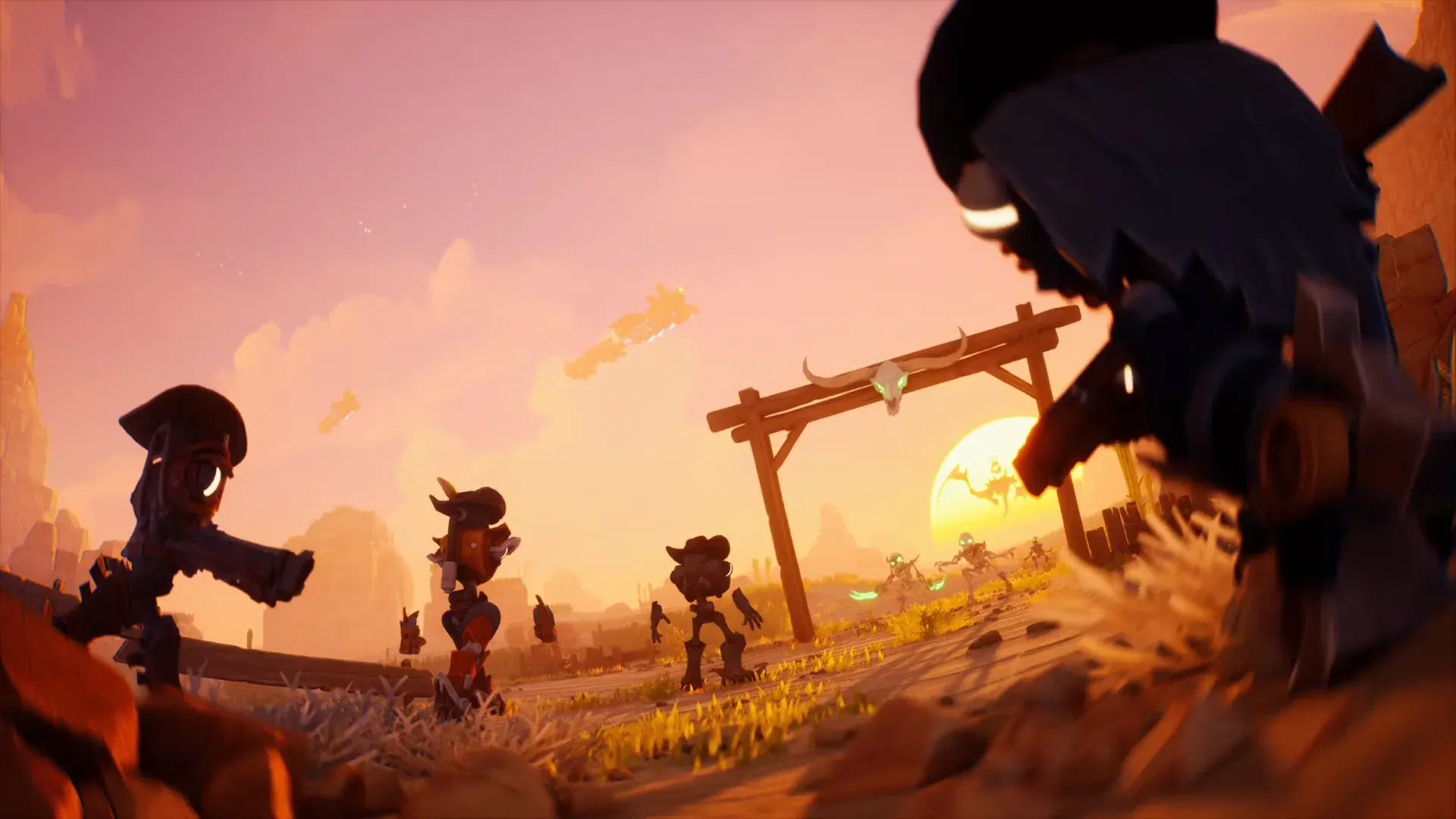
Their first signed game was Huntdown from Easy Trigger Games, and that same week they also picked up a minority stake in Ghost Ship Games to publish Deep Rock Galactic, which went on to become one of their biggest titles.
Since then, the label has published Valheim (developed by Iron Gate Studio) and Songs of Conquest (developed by Lavapotion), alongside Coffee Stain's own games like Satisfactory and the Goat Simulator series.
What really sets their approach apart is the "studio, not suit" attitude. Team members have said they didn't want to be "the people with the wads of cash," but partners who get development because they're still doing it themselves.
That mindset has since spread further: veterans from Coffee Stain and Mojang went on to start their own Nordic-focused label, Three Friends, in 2025, carrying the same philosophy into a brand-new company.
Look Sideways
None of these studios needed to start publishing. They're doing it because they hit a level of success that gave them room to look sideways instead of just up, and because they remember exactly how hard it is to get a game funded, noticed, and shipped without help.
The terms differ (some want equity-free deals, some want full creative partnership, a few have drawn a hard line on AI), but the impulse is the same, which is to take what worked for you and make it a little easier for someone else.
If you're building something and eyeing one of these labels, read the fine print closely. "Publisher" means something different at each of these five, and that difference will shape your project for years. And one day when you succeed as a developer, look sideways, not just up.