In this article
A hook isn't a "hey guys, welcome back to my channel" like it used to be, and it's not you explaining what you're about to talk about.
Think of a hook as an open loop: a question, a setup or a promise that the human brain cannot comfortably ignore. It creates a gap between what the viewer knows right now and what they want to know. The only way to close that gap is to keep watching. I like to call a hook an “itch that needs a cure”. The rest of the video is the cure to that itch.
The Four Main Types of Hooks That Work
1- The Curiosity Hook
You present a fact, claim, or scenario that feels incomplete, and the viewer has to keep going to resolve it.
For example:
These indie devs made $2M by adding one simple mechanic
Notice what that does. It gives you enough information to understand what the video is about, but it leaves out enough to invoke curiosity. You don’t know enough to walk away satisfied, and it makes you question “What is that one mechanic?”.
2- The Stakes Hook
You lead with a consequence like, something won or lost, a before and after, or a turning point. It signals that what follows actually matters.
For example:
About six months ago, this studio was going to shut down, but one game changed everything for them
Stakes hooks work because they promise transformation.
3- The Contrarian Hook
You take a position that challenges what your audience already believes. It creates instant friction, and friction keeps people watching long enough to hear your argument. Some people also call this a “shock hook”.
For example:
Jumpscares make a horror game bad
The viewer's instinct is to either agree loudly or argue back, and either way, they're staying to voice their opinion. The key is that you have to actually deliver a real perspective. A contrarian hook with a weak payoff destroys trust. So if you decide to use this type of hook, make sure to answer and explain it.
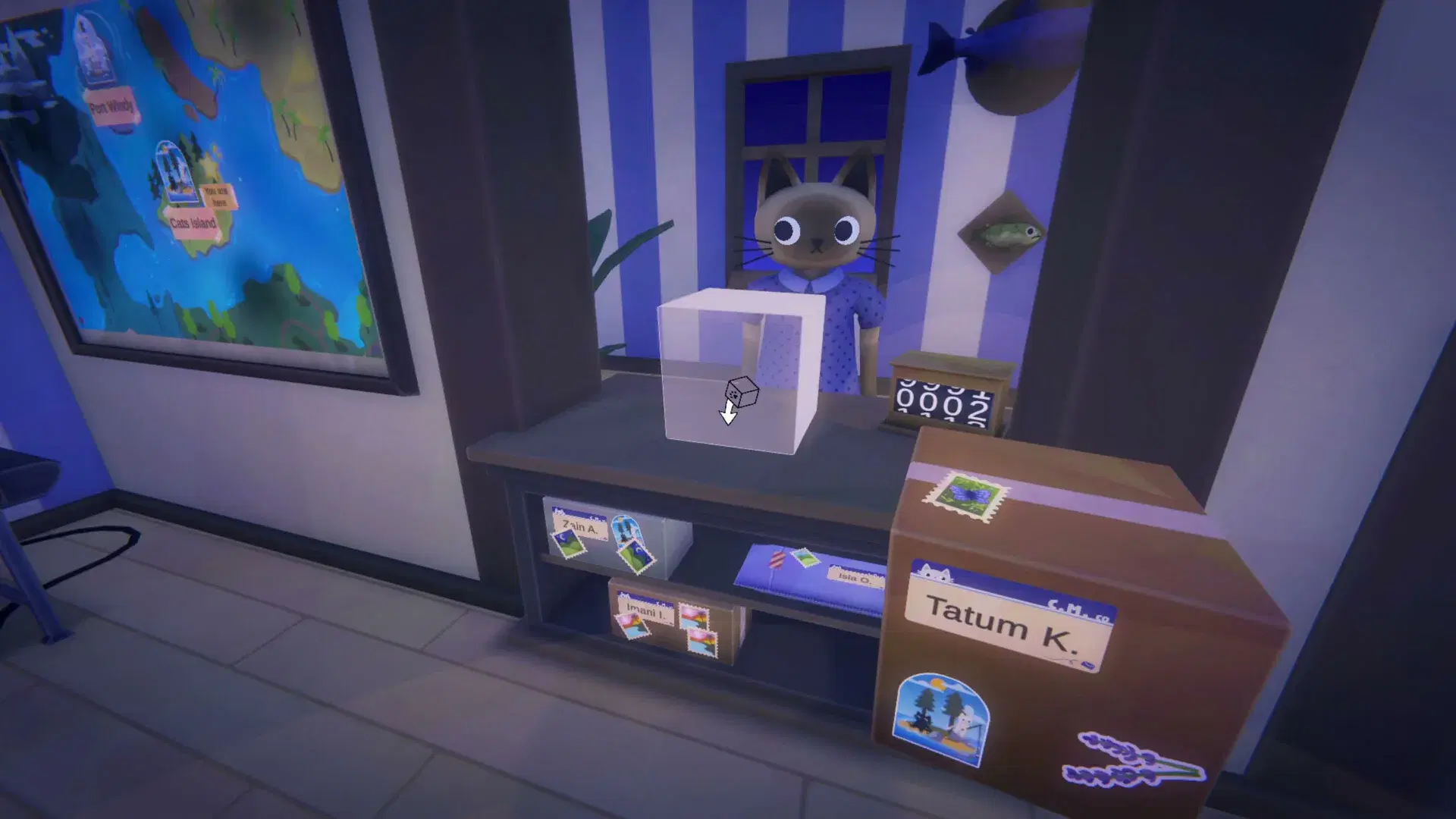
One of the best performing videos on the Jestr socials starts with “This might be controversial, but jumpscares in horror games are overrated” and then we continue to explain why that is and compare it to different mechanics that are better than jumpscares using a game called Cobb Can Move.
4- The Opinionated Hook
Most of the time, you want to avoid sharing your opinion in the hook because most people would just scroll, but in some instances, a personal hook can work better than an informational one.
For example:
You might disagree with me, but AI isn’t always bad
This will not only invoke curiosity, but also make people want to engage with you because they want to share their opinion too.
The Elements of a Strong Hook
I want to point out that these are not the only types of hooks, but they are the most effective ones.
Regardless of which type you use, every effective hook has three things working in its favour:
Clarity: If someone has to work to understand what you're saying, they won't. On short-form, the hook needs to land in under three seconds of watching. Trim every word that isn't earning its place.
Relevance: The hook has to signal to the right person that this is for them. The more specifically you speak to your audience, the harder it is to scroll past.
A Gap to Close: If the viewer feels like they could walk away with no unresolved answers, they will. The hook has to leave something hanging, a question unanswered, a claim unproven, a story unfinished, etc.
Common Mistakes That Kill Hooks
Starting with yourself: "I've been creating content for five years and today I want to share..." Nobody cares about your credentials until they care about your content. Most of the time, this would work only if you are big enough for people to recognize you.
Delivering the point too early: If the hook answers its own question, there's no reason to keep watching. The setup and the payoff shouldn't live in the same sentence.
Writing for yourself instead of your viewer: The question you need to answer isn't "what do I want to say?" It's "what does my viewer need to feel in order to keep watching?" Those are very different questions.
The Truth About Hooks
A great hook on bad content is a short-term trick that trains your audience not to trust you. The goal isn't to bait people, but it's to accurately signal the value of what you've actually made, in the most compelling way possible.
If your hook is working but your retention drops off shortly after, the content needs work. If your content is solid but nobody's clicking, the hook does. Most of the time, both need attention. But you can't get anyone to the good stuff until you solve the first three seconds.